Solving secondary packing challenges: a guide to automatic packing machines
What food producers should consider when moving from manual secondary packing to adaptable automation.
Secondary packing groups primary packaged products into trays, cartons or other larger containers for protection and efficient transport. In many food factories, it remains a labour-intensive stage that can constrain the entire production line. As demand rises, manual teams must sustain speed and accuracy while managing repetitive work, recruitment pressures and increasingly exacting retailer standards.
Why manual packing becomes a bottleneck
Manual lines are limited by human pace and endurance. Fatigue can reduce throughput and increase errors, while absenteeism, staff turnover and recurring training add cost and uncertainty. Repeated lifting, twisting and reaching can also contribute to musculoskeletal injuries, including back strain, joint pain and carpal tunnel syndrome. Reducing handling has the additional benefit of lowering contamination risk in food environments.
Workforce expectations are changing too. Repetitive packing roles can be difficult to fill and retain, while employees increasingly value opportunities to develop technical skills. Automation can move people into quality control, supervision and system operation, creating more engaging work while maintaining a consistent packing flow.
Building the business case
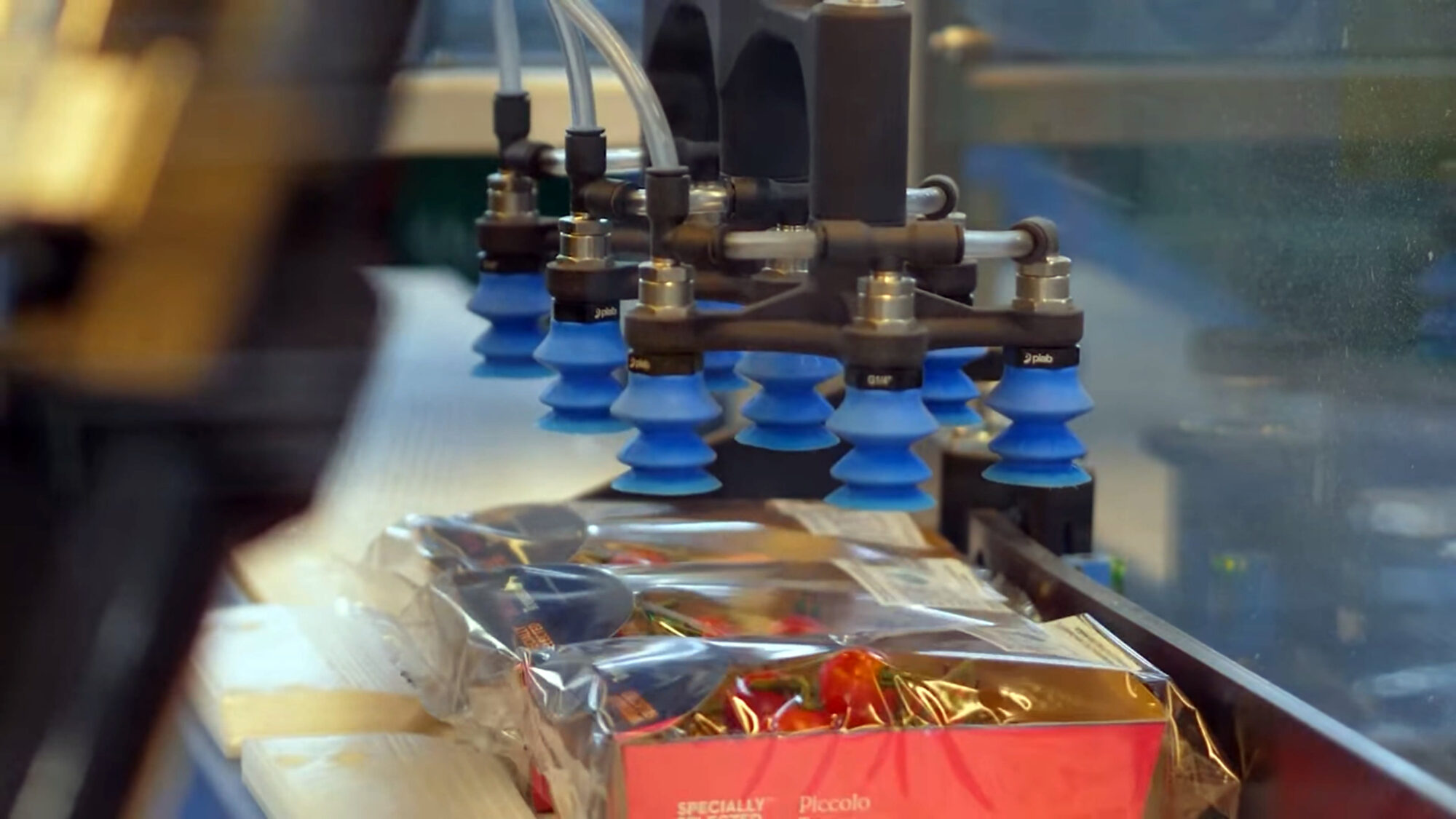
Automatic packing machines can operate continuously, delivering repeatable speed and accuracy without fatigue. This helps producers increase throughput, reduce waste and maintain consistent presentation without adding equivalent labour or overtime. Better consistency also supports product integrity, shelf life and retailer confidence by reducing the likelihood of misaligned, incorrectly labelled or otherwise defective packs.
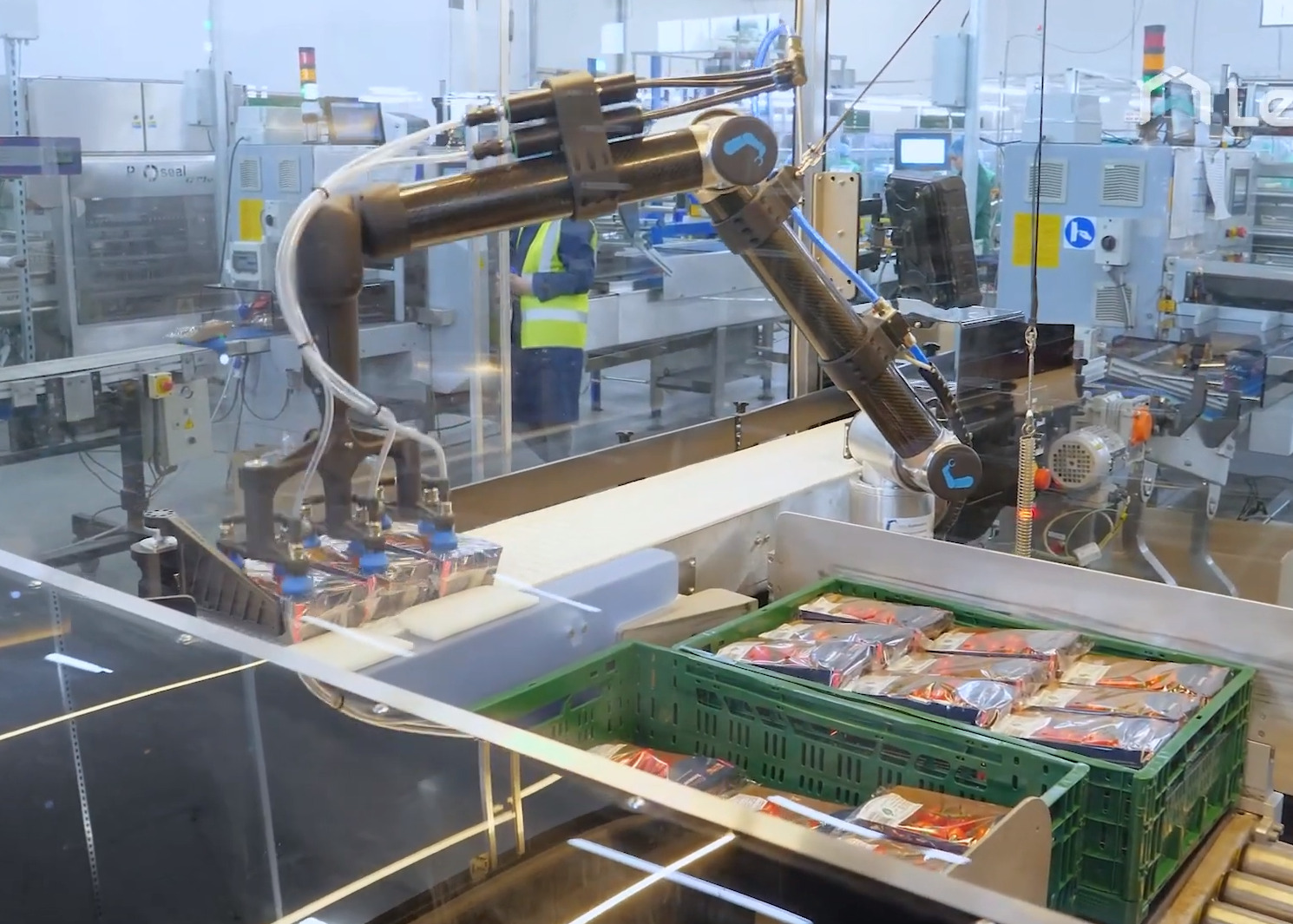
The initial investment should be weighed against lower recruitment, training and turnover costs, higher output and more effective use of existing employees. Automated systems can also support traceability, hygiene, labelling and documentation requirements. These gains can shorten the payback period and make operations less exposed to future labour shortages and wage increases. At Evesham Vale Growers, for example, PikPak™ supports packing of more than 300 tonnes each week and enabled labour reallocation and annual savings of £70,000.
Plan for real production conditions
Automation is not an overnight fix. Every installation needs an adjustment period while the line stabilises and operators become familiar with the equipment. Product presentation matters: if items arrive irregularly — for example, every seventh product is upside down — the system needs extra time to orient them. AI can help a robot respond dynamically, but a consistent infeed still improves efficiency.
The packing cell must also work with the wider line. A blockage or misalignment in upstream equipment such as a flow wrapper can affect every downstream process, so connected machines need to detect stoppages, alert operators and remain well maintained. Packaging changes require the same discipline. New materials, perforations or formats may alter how a robot grips, moves and stacks a product; sharing planned changes early allows tooling and settings to be adapted before production is disrupted.
Bring operators into the transition
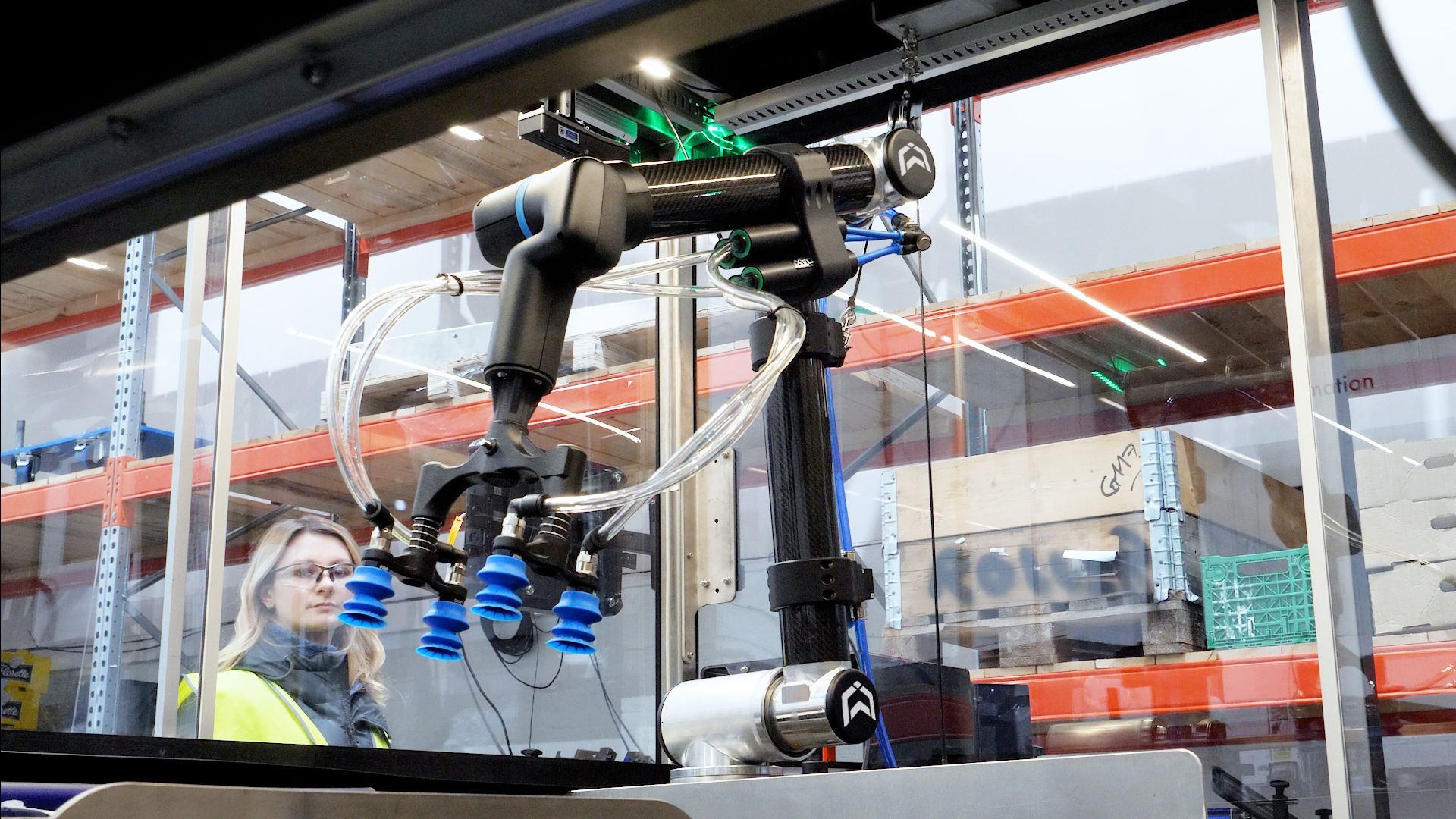
Successful implementation depends as much on people as machinery. Operators may initially worry that automation will replace jobs or make their work harder. A human-first introduction should explain how the system supports them, establish clear responsibility and provide hands-on experience. Leap AI trains small groups alongside the installed system, working through operational scenarios and allowing people to build confidence. Training is conducted in person and typically takes one day, depending on team size, although production time must be set aside for it.
Design for changing market demands
Retailers increasingly expect uniform packs, accurate barcodes and precise pallet configurations. E-commerce adds different requirements, including protective inserts, automated box sealing and variable printing for direct-to-consumer orders. Flexible automation can accommodate multiple formats and retailer-specific patterns while reducing the risk of rejected shipments or lost contracts.
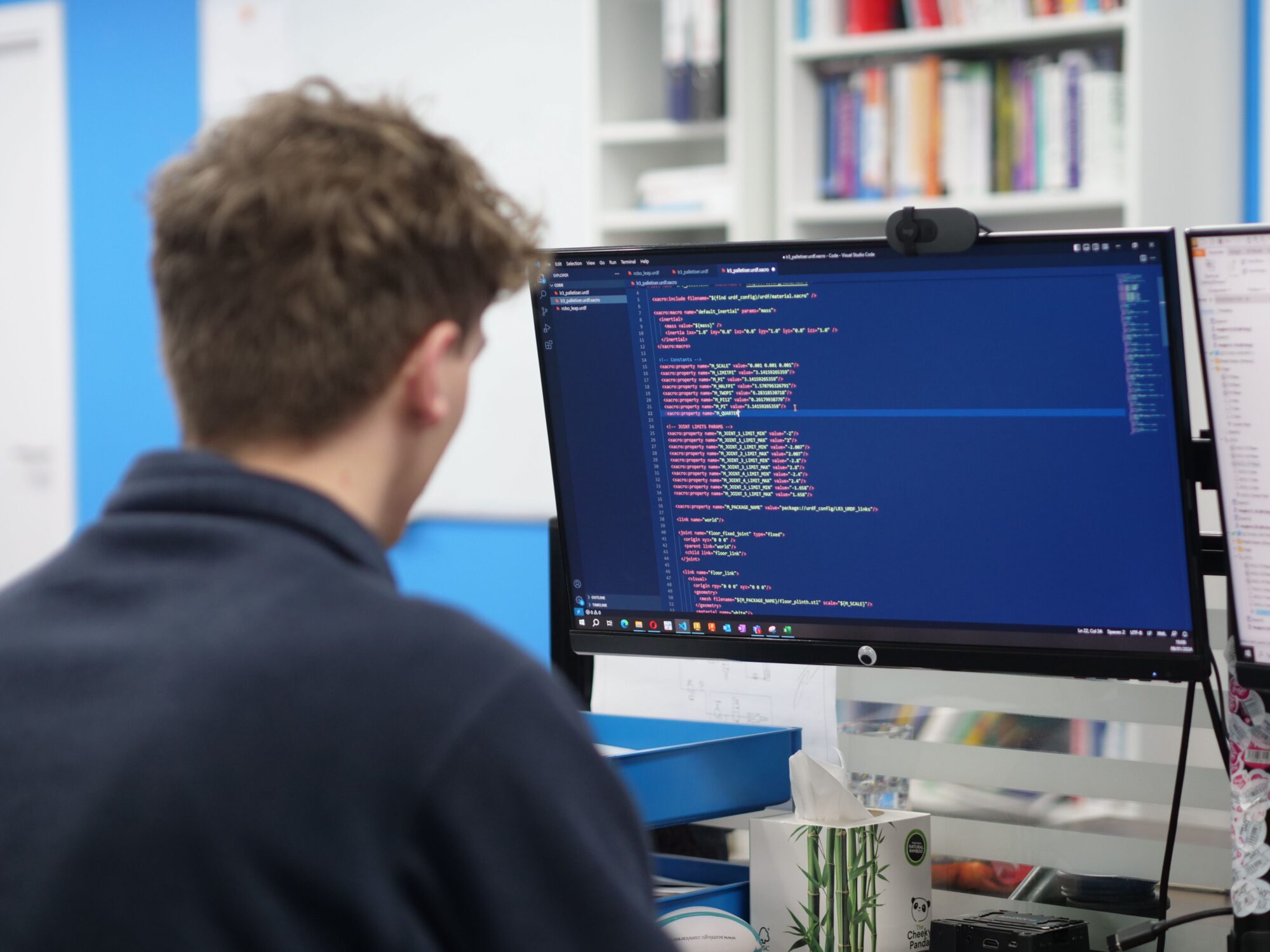
AI and machine learning make these systems more adaptable than traditional fixed automation. Vision systems can detect and correct misaligned products, while performance data can reveal opportunities to improve efficiency and reduce downtime. This flexibility is increasingly important as producers respond to changing formats, tighter food-safety and traceability requirements, and pressure to reduce packaging waste.
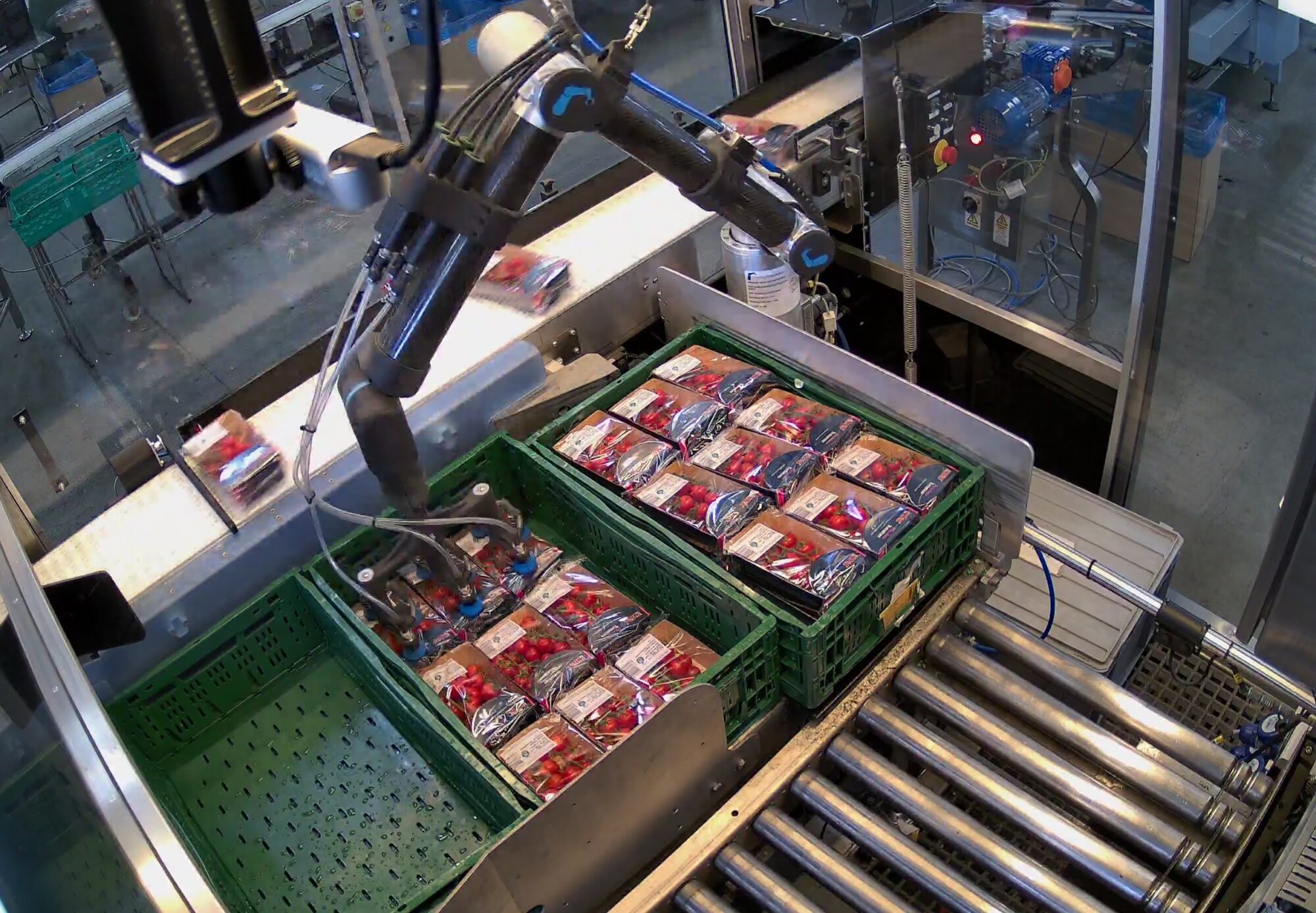
A structured route to reliable automation
Implementation should begin with an early site visit to understand the product flow, available space, upstream machinery and likely integration risks. Installation must then be supported by operator training, calibration and a realistic stabilisation period. Ongoing support matters because production conditions do not stand still: products, packaging, volumes and retailer requirements will continue to evolve after commissioning.
The question is not simply whether a robot can pack a product. The right decision considers the complete operation: product variability, line interfaces, people, compliance and the ability to adapt. When these factors are addressed together, secondary packing automation can remove a persistent bottleneck, create safer and more rewarding roles, improve consistency and give food producers a more resilient foundation for growth.
Vivienne Hsu, CMO, Leap AI — media@helloleap.ai
Looking to improve your packing operation?
Find out what PikPak™ could do for your lines — we aim to respond within 24 hours.