Is the future of food packing automated?
Automation is already reshaping food packing through greater speed, precision and flexibility.
For decades, food packing has relied on people carefully picking up products and placing them into boxes and crates. That approach remains familiar, but rising consumer demand and the growing importance of sustainable, efficient production are changing what manufacturers need from their packing operations. Automation is no longer simply a vision of the future: it is already helping businesses increase output, improve consistency and make better use of their people and production space.
The need for speed — and the promise of efficiency
Speed and efficiency are among the clearest advantages of automatic packing machines. Robotic arms can pack products faster than manual processes while maintaining consistent handling and quality. For food manufacturers, that increased throughput can support higher production targets and reduce dependence on manual packing labour, particularly where repetitive roles are difficult to recruit and retain.
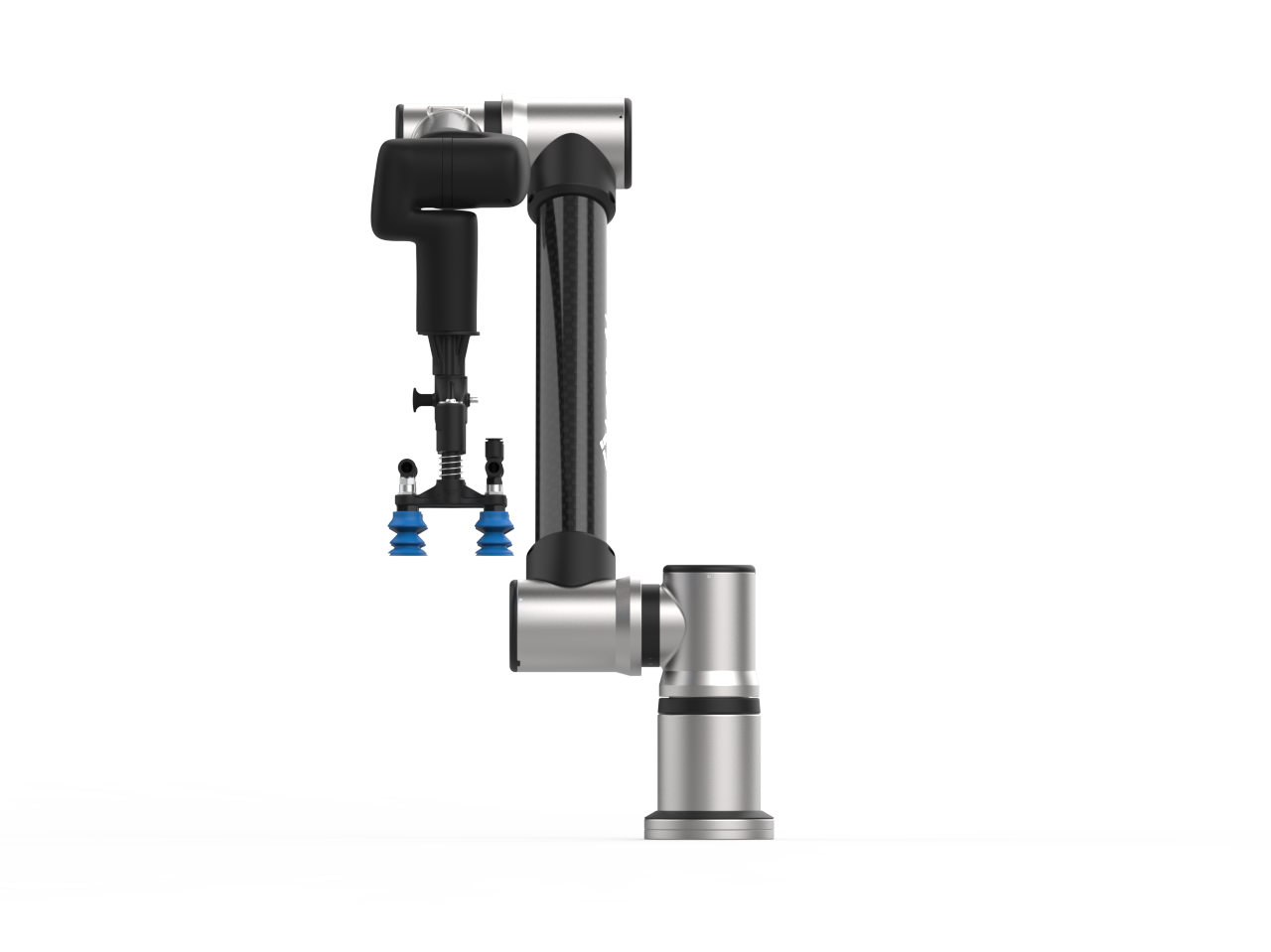
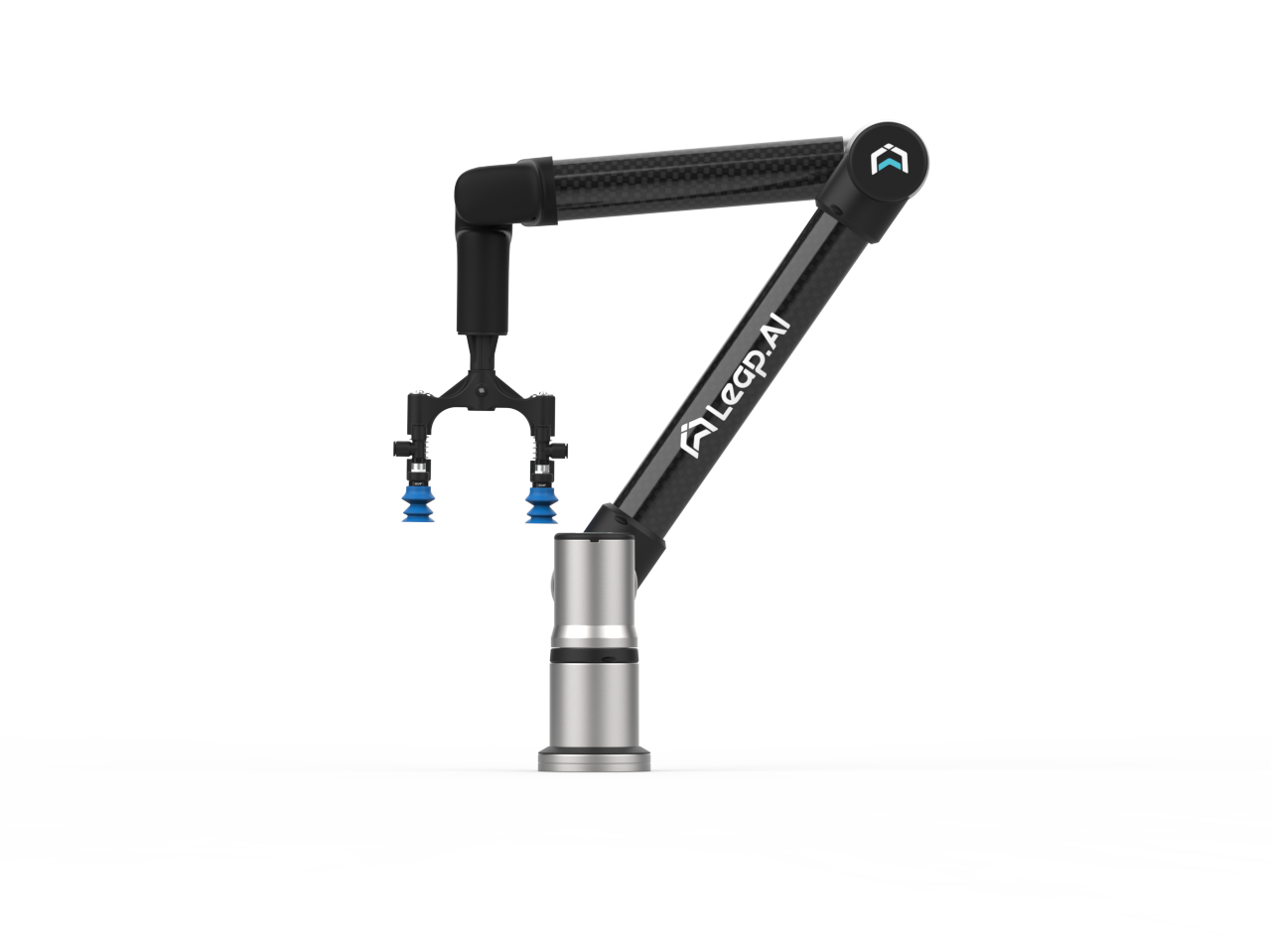
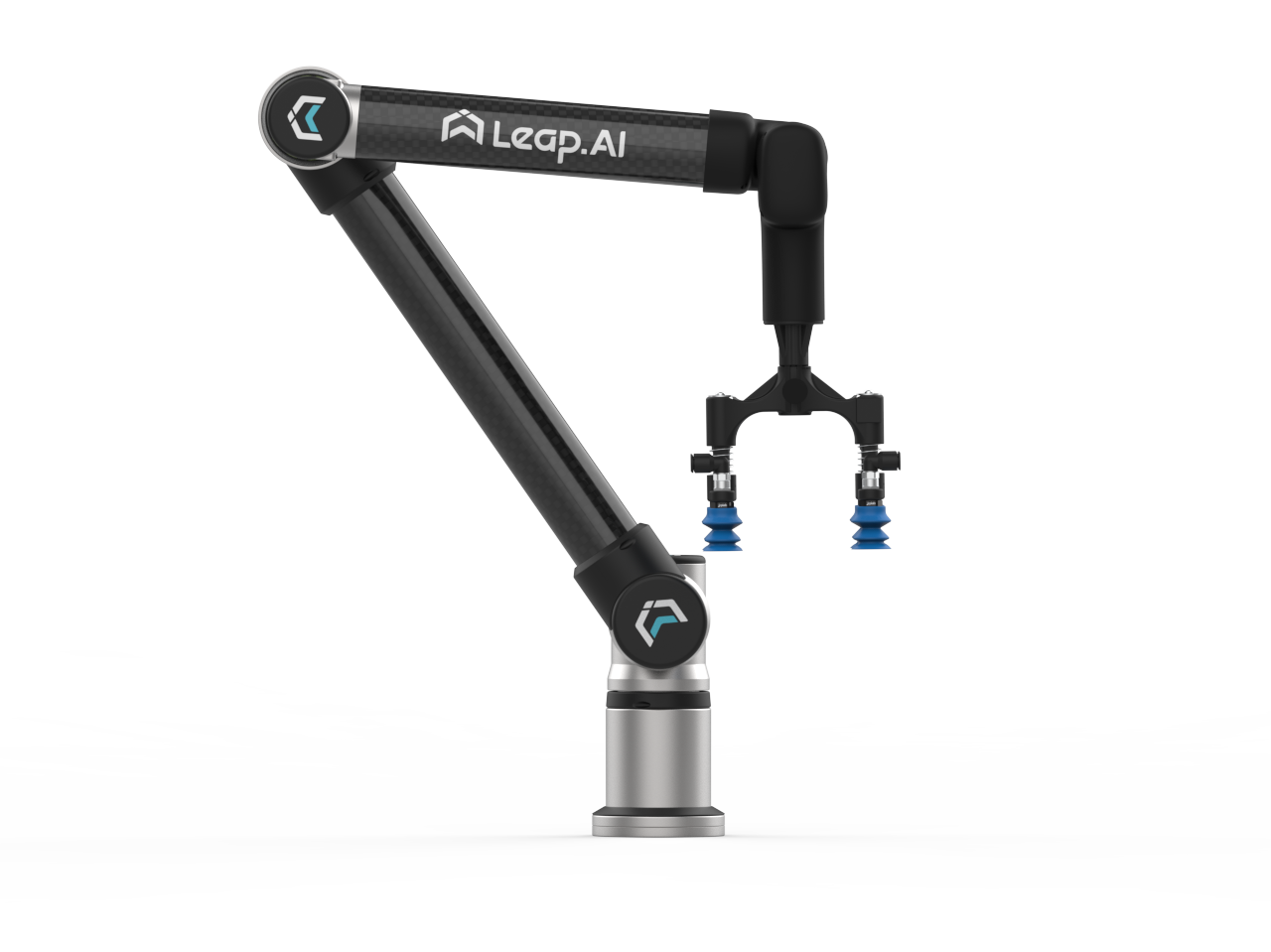
Automated systems do not tire or need scheduled breaks, so they can sustain high-volume packing over extended production runs. Their output also remains more consistent over time than a process shaped by fatigue. A compact machine can replace several packing stations, freeing valuable factory floor space. Leap AI’s PikPak™ is designed as an economical, compact packing system and engineered to complete up to 100 million movements during its lifetime.
Precision: the antidote to waste
Even a small packing error can create avoidable waste and cost. Automatic packing machines use machine vision and sensory feedback to recognise products and handle them consistently, helping ensure that the right item reaches the right pack without damage. Greater repeatability can improve quality control and reduce losses caused by incorrect or inconsistent packing.
Customisation at scale
Consumer preferences are becoming more varied, and manufacturers increasingly need to produce mixed or personalised assortments without sacrificing throughput. Flexible automated packing systems can handle different product combinations, enabling producers to respond more readily to changing orders and the growth of personalised food services.
Enhancing workplaces, not replacing people
Automation does not make human contribution obsolete. By taking on monotonous, repetitive packing tasks, robotic systems allow employees to focus on areas where their judgement and expertise add more value, including innovation and quality control. Moving people away from repetitive manual handling can also reduce exposure to workplace injuries and create more engaging roles.
Automatic packing in action: EVG
EVG introduced Leap AI’s PikPak™ to address bottlenecks in its packing operation. The system delivered an annual cost saving of £70,000 and improved efficiency, helping the company meet customer demand while maintaining its standards. The result illustrates how targeted automation can resolve a specific production constraint while delivering a measurable commercial benefit.
A practical path forward
The case for automated food packing rests on practical gains: faster throughput, accurate and repeatable handling, flexible production and more effective use of labour and space. These benefits can help manufacturers build operations that are more consistent, efficient and reliable.
The right solution will depend on the products being handled, the pack format and the constraints of the production environment. Yet where repetitive manual packing creates a bottleneck, a compact robotic system can provide a direct route to greater capacity. Automation is not merely about replacing a task; it is about redesigning the packing process so that machines handle repetition and people concentrate on work that benefits from human skill.
Vivienne Hsu, CMO, Leap AI — media@helloleap.ai
Looking to improve your packing operation?
Find out what PikPak™ could do for your lines — we aim to respond within 24 hours.